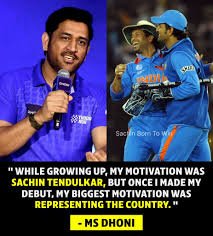
After the 2011 High: Why MS Dhoni Faced Growing Backlash After the 2011 High Why MS Dhoni Faced Growing Backlash The night of April 2, 2011, remains one of the most iconic moments in cricket history. Under the calm leadership of MS Dhoni After the 2011 High: Why MS Dhoni Faced Growing Backlash MS Dhoni Sri Lanka national cricket team After the 2011 High: Why MS Dhoni Faced Growing Backlash gains meaning when contrasted with this peak. At that moment, Dhoni could do no wrong. He was the embodiment of “Captain Cool,” trusted implicitly by fans and critics alike.Success, however, brings expectation. After winning the World Cup, India’s cricket fans expected sustained dominance across formats. Dhoni, already leading in Tests, ODIs, and T20s, was now burdened with maintaining excellence in all arenas. This is where After the 2011 High: Why MS Dhoni Faced Growing Backlash begins to take shape—because expectations became nearly impossible to meet.Soon after the World Cup triumph, India faced humiliating Test series losses in England (2011) and Australia (2011–12), both ending in 4-0 whitewashes. These defeats raised serious questions about leadership, team selection, and preparation.In analyzing After the 2011 High: Why MS Dhoni Faced Growing Backlash , these overseas failures were pivotal. Critics argued that Dhoni’s defensive captaincy and inability to inspire overseas success exposed limitations in his leadership.India was entering a transition phase, with legends like Sachin Tendulkar Rahul Dravid VVS Laxman After the 2011 High: Why MS Dhoni Faced Growing Backlash often highlights this period as one where Dhoni was accused of not handling the transition effectively, leading to inconsistency and instability in the squad.Dhoni’s calm demeanor, once celebrated, began to be questioned. Fans and analysts started interpreting his composure as passivity, especially during difficult situations.This shift in perception is central to After the 2011 High: Why MS Dhoni Faced Growing Backlash . What was once seen as strength became, in the eyes of critics, a weakness—suggesting a lack of urgency or aggression.From field placements to bowling changes, Dhoni’s decisions increasingly came under scrutiny. Some felt he relied too heavily on instinct rather than adapting to evolving match situations.In the broader narrative of After the 2011 High: Why MS Dhoni Faced Growing Backlash , these tactical criticisms added fuel to the growing discontent among fans and experts.After the 2011 High: Why MS Dhoni Faced Growing BacklasDhoni was known as one of the best finishers in limited-overs cricket. However, post-2011, his strike rate and consistency began to dip, particularly in ODIs.The theme of After the 2011 High: Why MS Dhoni Faced Growing Backlash is closely tied to this decline. Fans who once expected miraculous finishes began to question whether Dhoni had lost his edge.There were also debates over his batting position. Unlike his promotion in the 2011 final, which proved successful, later decisions to bat lower down sometimes backfired.These moments reinforced the idea behind After the 2011 High: Why MS Dhoni Faced Growing Backlash , as critics accused him of not taking responsibility in crucial matches.Dhoni’s association with Chennai Super Kings After the 2011 High: Why MS Dhoni Faced Growing Backlash , this period contributed to a dent in his previously spotless reputation.Balancing international cricket and IPL commitments led to concerns about Dhoni’s workload and performance. Some critics believed that fatigue affected his decision-making and fitness.This added another layer to After the 2011 High: Why MS Dhoni Faced Growing Backlash , as questions arose about whether he was stretched too thin.
After the 2011 High: Why MS Dhoni Faced Growing Backlash Indian cricket is deeply emotional, and heroes are often placed on a pedestal. Dhoni was no exception. After 2011, he was expected to deliver match-winning performances consistently.The narrative of After the 2011 High: Why MS Dhoni Faced Growing Backlash reflects how quickly admiration can turn into criticism when expectations are not met.The rise of social media platforms amplified criticism. Every decision, failure, or perceived mistake was dissected and debated widely.In understanding After the 2011 High: Why MS Dhoni Faced Growing Backlash , the role of digital platforms cannot be ignored, as they intensified public scrutiny.Leading India in Tests, ODIs, and T20s simultaneously is an enormous challenge. Dhoni’s workload as captain was unparalleled during his era.This context is crucial when examining After the 2011 High: Why MS Dhoni Faced Growing Backlash , as fatigue and pressure inevitably impacted his performance and decision-making.In 2014, Dhoni retired from Test cricket mid-series in Australia, a decision that surprised many. While some saw it as practical, others viewed it as abrupt.moment became a key chapter in After the 2011 High: Why MS Dhoni Faced Growing Backlash , as debates emerged about his commitment and timing.Despite criticism, Dhoni continued to lead India to significant achievements, including the 2013 ICC Champions Trophy victory.This success complicates the narrative of After the 2011 High: Why MS Dhoni Faced Growing Backlash , showing that his career was far from decline, even amid criticism.Over time, many fans and analysts have revisited Dhoni’s contributions with a more balanced perspective. His ability to manage pressure, nurture talent, and maintain composure remains widely respected.In retrospect, After the 2011 High: Why MS Dhoni Faced Growing Backlash appears less about failure and more about the inevitable scrutiny that accompanies greatness.
After the 2011 High: Why MS Dhoni Faced Growing Backlash The journey of MS Dhoni After the 2011 High: Why MS Dhoni Faced Growing Backlash