
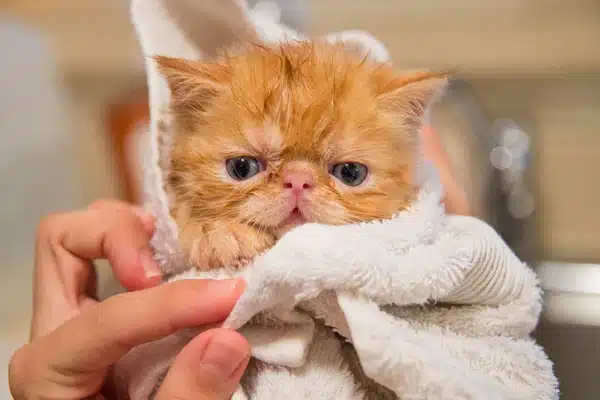
Persian cats are admired for their gentle personalities, expressive eyes, and luxurious coats, but their distinctive features also require attentive care. Understanding Common Persian Cat Health Problems and Prevention helps owners recognize early warning signs and make better decisions about grooming, nutrition, exercise, veterinary checkups, and genetic screening. Not every Persian cat will develop a serious condition, and responsible breeding has reduced the risk of some inherited diseases. However, flat facial structure, long hair, and certain genetic traits can make the breed more vulnerable to respiratory, eye, kidney, dental, skin, and weight-related problems. Early detection and consistent preventive care can greatly improve a Persian cat’s comfort and quality of life.

Brachycephalic Airway and Breathing Problems
One of the most important parts of Common Persian Cat Health Problems and Prevention is understanding brachycephalic airway syndrome. Many Persian cats have short noses, narrow nostrils, and compressed upper airways because of their flat facial structure. These features may make breathing more difficult, particularly during exercise or in hot and humid weather. Warning signs include noisy breathing, frequent snoring, mouth breathing, gagging, coughing, tiring quickly, or fainting after activity. According to VCA Animal Hospitals, severely affected cats may also experience retching, vomiting, or collapse. Owners should never assume that persistent breathing difficulty is normal simply because the cat is flat-faced.
Preventing Respiratory Distress
Managing Common Persian Cat Health Problems and Prevention involves protecting Persian cats from situations that place unnecessary pressure on their airways. Keep the home cool and well-ventilated, especially during summer, and provide constant access to fresh drinking water. Avoid intense exercise, stressful travel, and outdoor activity during hot or humid periods. Maintaining a healthy body weight is essential because excess fat can make breathing more difficult. Use a harness instead of a collar when taking the cat outside so that pressure is not applied to the neck. A veterinarian should examine cats with consistently noisy breathing, open-mouth breathing, blue or pale gums, unusual weakness, or exercise intolerance, as some may need medical treatment or corrective surgery.
Eye Problems and Excessive Tearing
Eye care is another major element of Common Persian Cat Health Problems and Prevention because Persian cats often have large, prominent eyes and shallow eye sockets. Their facial structure can interfere with normal tear drainage, leading to epiphora, or excessive tearing. The fur beneath the eyes may become wet, reddish-brown, irritated, or infected. Persian cats may also be vulnerable to scratches, corneal ulcers, conjunctivitis, abnormal eyelids, and other painful eye conditions. VCA’s veterinary guidance on epiphora explains that constant dampness can produce odor, skin irritation, and infection. Squinting, cloudiness, redness, swelling, pawing at the face, or sudden changes in vision require prompt veterinary attention.
Safe Daily Eye Care
A practical approach to Common Persian Cat Health Problems and Prevention includes gently cleaning the area around the eyes every day. Use a soft cotton pad or clean cloth dampened with lukewarm water, and use a separate area of the cloth for each eye to reduce the possibility of spreading infection. Wipe away from the eye without pressing on the eyeball or rubbing irritated skin. Keep long facial hair neatly trimmed if advised by a professional groomer or veterinarian. Never apply human eye drops, antibiotics, stain removers, or homemade remedies unless a veterinarian recommends them. Tear staining may be cosmetic, but increased discharge, yellow or green mucus, pain, swelling, or an unpleasant smell can indicate a condition requiring professional diagnosis.
Polycystic Kidney Disease
Polycystic kidney disease, commonly called PKD, is a significant genetic concern within Common Persian Cat Health Problems and Prevention. It causes fluid-filled cysts to develop in the kidneys, and these cysts may grow until they damage healthy kidney tissue. The disease may eventually cause chronic kidney failure, although the age of onset and severity can vary. Early stages may produce no visible symptoms. Later signs can include increased thirst, frequent urination, poor appetite, vomiting, weight loss, weakness, dehydration, and bad breath. The Cornell Feline Health Center identifies PKD as an inherited disorder occurring most frequently in Persian cats, making responsible screening especially important for this breed.
Genetic Screening and Kidney Protection
Responsible breeding and early testing are central to Common Persian Cat Health Problems and Prevention because inherited PKD cannot be prevented through food or grooming. Before buying or adopting a Persian kitten, request documented PKD screening information for the kitten and its parents. The UC Davis Veterinary Genetics Laboratory offers a DNA test for the PKD1 variant commonly found in Persians and cats with Persian ancestry. Veterinarians may also recommend ultrasound examinations, blood tests, urine analysis, and blood-pressure checks. Owners can support kidney health by providing fresh water, feeding a nutritionally complete diet, avoiding unapproved supplements or medications, and attending regular examinations. A veterinarian should determine treatment and dietary changes if kidney disease is detected.
Dental Disease and Misaligned Teeth
Dental care deserves close attention when discussing Common Persian Cat Health Problems and Prevention. A Persian cat’s shortened jaw may cause overcrowded or misaligned teeth, making it easier for plaque, tartar, and trapped food to accumulate. Without proper care, the cat may develop gingivitis, periodontal disease, painful tooth resorption, infection, or difficulty chewing. Signs of dental trouble include bad breath, red or bleeding gums, drooling, dropping food, chewing on one side, pawing at the mouth, and refusing hard food. Introduce toothbrushing gradually using a cat-safe toothbrush and veterinary toothpaste; human toothpaste may contain ingredients that are unsafe for pets. Professional dental examinations and cleanings should be arranged according to the veterinarian’s recommendation.
Skin, Coat, and Facial-Fold Conditions
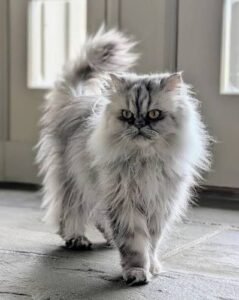
Consistent grooming is essential to Common Persian Cat Health Problems and Prevention because the breed’s dense coat can easily develop tangles and painful mats. Matted fur traps moisture and debris close to the skin, increasing the risk of irritation, sores, parasites, and infection. Brush the coat daily with appropriate grooming tools, paying special attention to the chest, belly, armpits, hind legs, and areas behind the ears. Skin folds around the nose should also remain clean and dry because moisture can encourage bacterial or yeast growth. Check for redness, odor, dandruff, scabs, hair loss, fleas, and unusual lumps during grooming. Severe mats should be removed by a veterinarian or experienced groomer rather than cut with scissors, as a cat’s thin skin can be injured easily.
Hairballs and Digestive Discomfort
Hairball management is often included in Common Persian Cat Health Problems and Prevention because Persian cats swallow loose hair while grooming their long coats. Occasional hairballs may occur, but frequent coughing, repeated retching, constipation, loss of appetite, vomiting, or abdominal discomfort should not automatically be blamed on hair. These signs can indicate an obstruction, respiratory problem, or digestive illness. Daily brushing reduces the amount of loose hair swallowed, while adequate hydration and a balanced diet support normal digestion. A veterinarian may recommend an appropriate hairball-control product or dietary adjustment for an individual cat. Owners should not give oils, laxatives, butter, or human digestive remedies without veterinary approval, as incorrect treatment may delay diagnosis or create additional health problems.

Weight Gain and Reduced Activity
Weight control is a valuable part of Common Persian Cat Health Problems and Prevention because Persian cats are generally calm indoor companions and may not exercise without encouragement. Excess weight can increase stress on the airways and joints and may contribute to diabetes, reduced mobility, grooming difficulty, and lower overall quality of life. Feed measured portions of complete cat food rather than keeping the bowl constantly full, unless a veterinarian recommends another feeding method. Limit high-calorie treats and avoid giving table scraps. Encourage gentle daily movement with wand toys, rolling balls, food puzzles, climbing furniture, and several short play sessions. Regularly monitor the cat’s weight and body condition, and ask a veterinarian to create a safe weight-loss plan if needed.
Building a Lifelong Preventive-Care Routine
The most effective strategy for Common Persian Cat Health Problems and Prevention combines daily observation with regular professional care. A Persian cat should receive veterinary examinations at least once a year, while kittens, senior cats, and cats with chronic conditions may require more frequent visits. Preventive appointments can include vaccinations, parasite control, weight assessment, dental evaluation, heart and lung checks, blood pressure measurement, and age-appropriate blood and urine tests. At home, owners should monitor appetite, water intake, urination, bowel movements, breathing, eye discharge, grooming behavior, and activity level. Record unusual changes and, when useful, take photographs or short videos to show the veterinarian. Subtle behavioral changes may be the first indication that a cat is experiencing pain or illness.
When to Contact a Veterinarian
Knowing when to seek help is the final and most urgent aspect of Common Persian Cat Health Problems and Prevention. Contact a veterinarian promptly if a Persian cat stops eating, repeatedly vomits, loses weight, drinks or urinates more than usual, develops persistent eye discharge, or shows signs of dental pain or skin infection. Open-mouth breathing, blue or pale gums, collapse, severe weakness, repeated straining to urinate, inability to pass urine, sudden blindness, or obvious eye injury should be treated as emergencies. Preventive care cannot guarantee that illness will never occur, but early diagnosis often provides more treatment options and better outcomes. This information is educational and should support, not replace, advice from a qualified veterinarian who has examined the cat.