
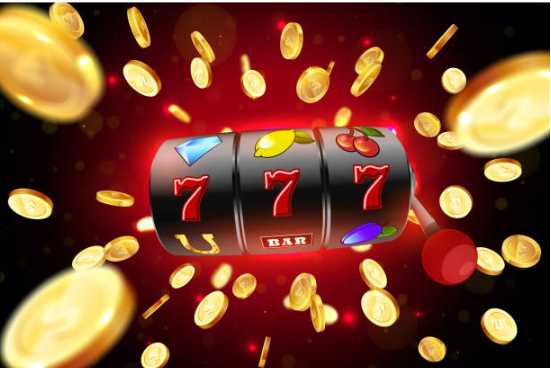
What makes modern online slot games feel more interactive and visually detailed than traditional machines? Is it the realistic graphics, animated characters, advanced sound effects, or the technology that connects everything on the screen? The answer involves several digital innovations working together.
Modern slot games have developed beyond simple spinning reels. Developers now combine graphics engines, responsive interfaces, sound technology, and creative gameplay mechanics to build detailed digital environments.
These improvements influence how games look, respond, and communicate information. Understanding the technology behind immersive slots reveals how developers transform familiar reel mechanics into visually rich entertainment experiences.
How Technology Has Changed the Slot Gaming Experience
Traditional slot machines relied on mechanical reels, physical buttons, and printed symbols. Their visual presentation was limited by the components installed inside the machine.
Electronic systems and video displays gradually introduced greater flexibility.
Today, software-based sbobet can feature animated backgrounds, moving characters, changing reel structures, and special visual sequences.
Developers can also adjust games for different devices, including desktop computers, tablets, and smartphones.
These changes have made technology an important part of both slot presentation and usability.
1. Advanced Graphics Engines Create Detailed Environments
Graphics engines help developers display digital artwork, animations, and visual effects.
Modern slot games may use two-dimensional illustrations, three-dimensional objects, or combinations of both.
These technologies allow developers to create detailed backgrounds and expressive characters that support different themes.
How Graphics Make Slots More Immersive
Imagine a fantasy-themed slot 5k featuring a castle surrounded by mountains.
Animated clouds might move across the background while glowing objects appear near the reels.
A futuristic slot could feature robotic characters, metallic structures, and changing digital lights.
These visual elements establish atmosphere without necessarily changing the underlying gameplay mechanics.
However, developers must ensure that detailed graphics do not make important symbols difficult to recognise.
2. Animation Technology Makes Symbols More Expressive
Animation plays an important role in creating movement throughout modern slot games.
Instead of remaining static, symbols can rotate, glow, expand, or transform during particular events.
Developers also animate characters and environmental objects to make the screen appear more active.
Small Movements Can Create Strong Visual Effects
A cartoon animal might blink or move its ears beside the reels.
In an underwater slot, fish could swim behind the playing area while bubbles move upward.
Other animations communicate actual gameplay changes.
For example, an expanding wild symbol may visibly occupy additional reel positions when its feature activates.
The distinction between decorative animation and gameplay-related movement should remain clear.
3. Sound Technology Adds Depth to Digital Slots
Sound contributes to the atmosphere of a slot game by supporting its visual theme.
Developers combine background music, short effects, and character sounds to accompany different events.
A mystery-themed game might feature quiet atmospheric music, while a cartoon-inspired slot could use playful audio effects.
How Audio and Animation Work Together
Imagine a magical symbol that begins glowing during a special feature.
A short musical effect could accompany the transformation, making the event easier to recognise.
Similarly, cascading symbols might produce sounds as they disappear and are replaced.
These effects support the presentation, but celebratory audio does not necessarily indicate financial profit.
A payout smaller than the original wager still represents a net loss.
4. Random Number Generators Determine Slot Outcomes
Behind the graphics and animation, most modern online slots use random number generators, commonly known as RNGs.
An RNG generates values that determine results according to the game’s mathematical rules.
This technology separates the calculation of outcomes from the animations used to display them.
Why Immersive Graphics Do Not Predict Wins
A dramatic animation may make a particular spin appear important, but it does not provide reliable information about future results.
In typical RNG-based slots, previous outcomes do not determine the next spin.
A symbol appearing repeatedly does not mean it is guaranteed to appear again.
Likewise, a long sequence without a payout does not indicate that a win is approaching.
Understanding this principle helps distinguish digital entertainment features from the mathematics behind the game.
5. Mobile Technology Supports Gaming Across Different Screens
Smartphones and tablets have influenced how modern slot interfaces are developed.
Earlier digital games were often created primarily for desktop computers.
Mobile devices require developers to consider smaller displays, touchscreen controls, and different hardware capabilities.
Why Responsive Design Matters
A responsive interface adjusts its layout to suit the available screen size.
Symbols should remain readable, while important controls must be easy to identify.
Developers may simplify background effects or adjust animation quality to maintain performance on supported devices.
Mobile optimisation also involves testing loading times, touchscreen responses, and interface stability.
These considerations help maintain a consistent experience across different screen formats.
6. HTML5 Makes Browser-Based Slots More Flexible
HTML5 has become an important technology in modern browser-based gaming.
Earlier online games sometimes depended on Adobe Flash, which eventually lost support across major browsers.
HTML5 allows developers to create interactive content using technologies supported by modern web browsers.
How Browser Compatibility Supports Accessibility
Games developed with suitable web technologies can operate across different operating systems and devices.
However, compatibility depends on the browser, device specifications, and the game’s implementation.
Developers must test animations, controls, and graphics to ensure they function correctly.
A game that performs smoothly on a desktop computer may require additional optimisation for a less capable smartphone.
7. Creative Bonus Mechanics Introduce Additional Gameplay Events
Digital technology allows developers to experiment with gameplay structures beyond ordinary reel spinning.
Modern slots may include free spins, multipliers, cascading reels, expanding wilds, and separate bonus screens.
These features introduce different events according to the rules of each game.
How Technology Makes Bonus Features Visually Distinctive
In a cascading reel game, qualifying winning symbols may disappear before replacement symbols enter the grid.
An expanding wild might cover additional positions through a short animation.
Some games also change their background artwork when a bonus feature begins.
These effects help communicate gameplay transitions.
However, additional features do not guarantee higher returns or profitable outcomes.
8. Virtual Reality Could Introduce New Presentation Formats
Virtual reality technology allows developers to create computer-generated environments that users can view through compatible equipment.
Although VR slots are not a standard feature of most online gaming platforms, the technology offers possibilities for experimental game presentation.
What Could VR Add to Slot Games?
A virtual environment could place digital reels inside a simulated entertainment venue.
Players might view animated surroundings and interact with interface elements through supported controls.
However, VR development introduces challenges involving hardware requirements, accessibility, comfort, and interface clarity.
Its wider adoption in slot gaming remains uncertain.
9. Artificial Intelligence May Support Game Development
Artificial intelligence can assist software developers with selected production and testing tasks.
In slot development, AI-assisted tools may support artwork preparation, technical testing, and performance analysis.
For example, automated systems could help identify interface problems across different devices.
Why Responsible AI Use Matters
AI tools should support reliable software development rather than encourage misleading claims about winning outcomes.
They cannot provide a dependable method for predicting properly generated random slot results.
When platforms analyse user activity, privacy protection and responsible gambling considerations are also important.
What Makes an Immersive Slot Experience Effective?
Immersion does not depend entirely on elaborate graphics or complicated technology.
A well-developed slot should combine consistent artwork, understandable mechanics, responsive controls, and appropriate sound.
Visual effects should help communicate important events without overwhelming the screen.
Players should also have access to clear information about game rules, Return to Player (RTP), and volatility.
RTP describes theoretical returns across extensive play, while volatility relates to the potential frequency and size of payouts. Neither guarantees individual results.
For real-money gaming, clear spending controls and transparent platform conditions remain essential.
Conclusion
Next-generation slot games combine graphics engines, animation, sound technology, mobile optimisation, and software-based gameplay mechanics to create detailed digital entertainment experiences. HTML5 supports browser compatibility, while experimental technologies such as virtual reality and AI-assisted development may influence future production methods. However, immersive presentation does not change the random nature of slot outcomes or eliminate financial risks.